



In Most Countries, It Is Ranked Far Lower
When Ghanaians think about cancer, breast and cervical cancer usually dominate the conversation. But a far more dangerous and less discussed threat is quietly climbing the ranks – liver cancer.
According to the Global Cancer Observatory (GLOBOCAN), liver cancer is the most common cancer in Ghana after breast cancer, a pattern seen in very few countries globally.
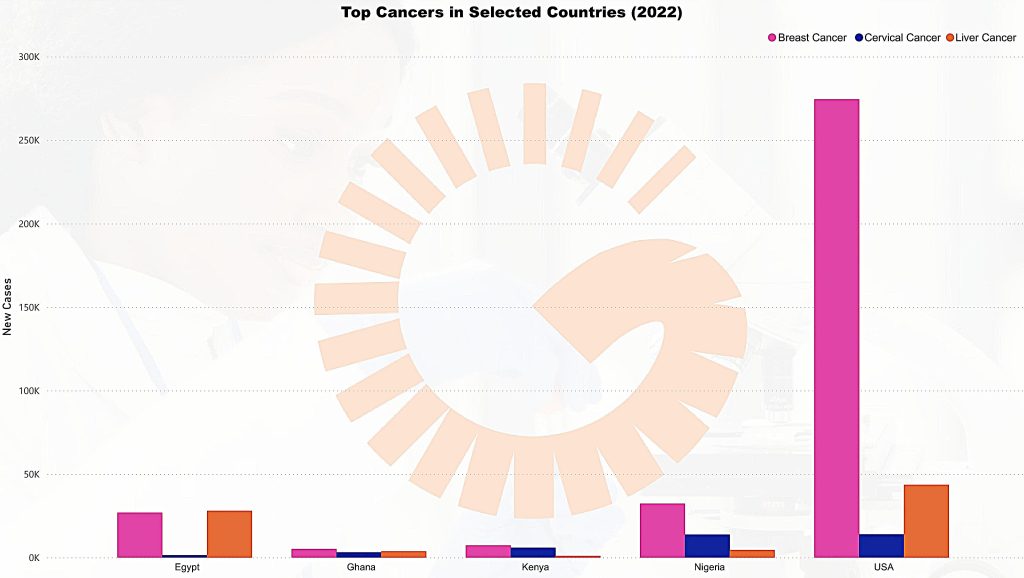
In recent estimates, Ghana recorded 3,731 new liver cancer cases, second only to breast cancer at 5,026 cases. Cervical cancer, long considered one of the country’s biggest cancer threats, comes behind liver cancer with 3,072 cases.
This should alarm every Ghanaian. In most countries, liver cancer is nowhere near the top of the list. In Ghana, it is already number two.
Why Ghana’s Liver Cancer Ranking Is a Red Flag
This ranking is not normal.
- In Nigeria, breast cancer overwhelms all others with more than 32,000 cases, while
liver cancer ranks sixth, with just over 4,000 cases.
In Kenya, liver cancer does not even appear in the top ten. - In the United States, liver cancer is ranked 13th, despite alcohol consumption being
more than twice Ghana’s level. - Only Egypt shows a similar pattern, and there, liver cancer ranks first because of a
historic hepatitis epidemic.
When liver cancer rises this high, it signals a deep and systemic public health failure.
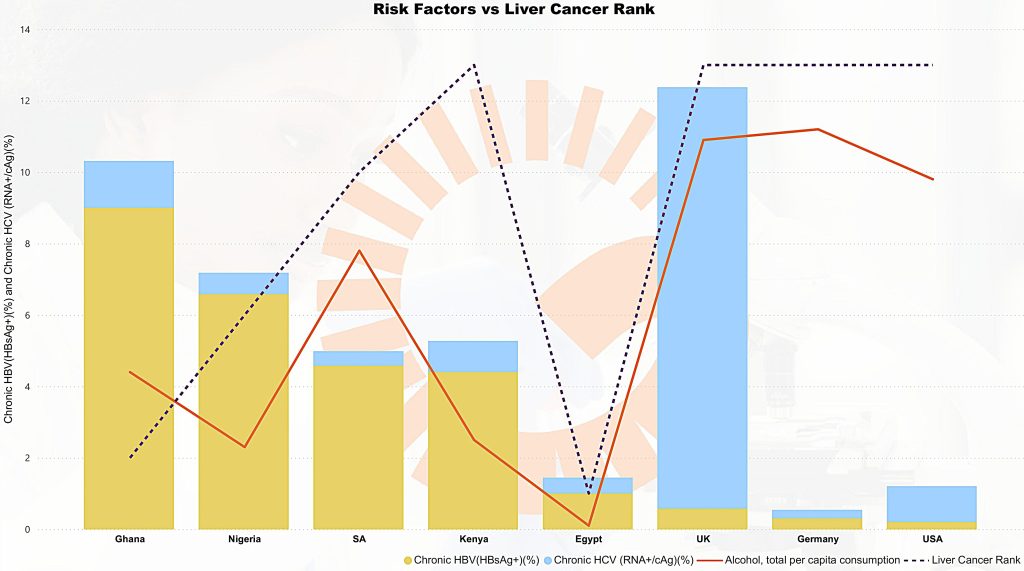
Figure 1 below clearly shows how unusual Ghana’s situation is when compared with other
countries. Liver cancer is not just present, it is competing directly with breast cancer.
The Real Drivers: Hepatitis B and Poison in Our Food
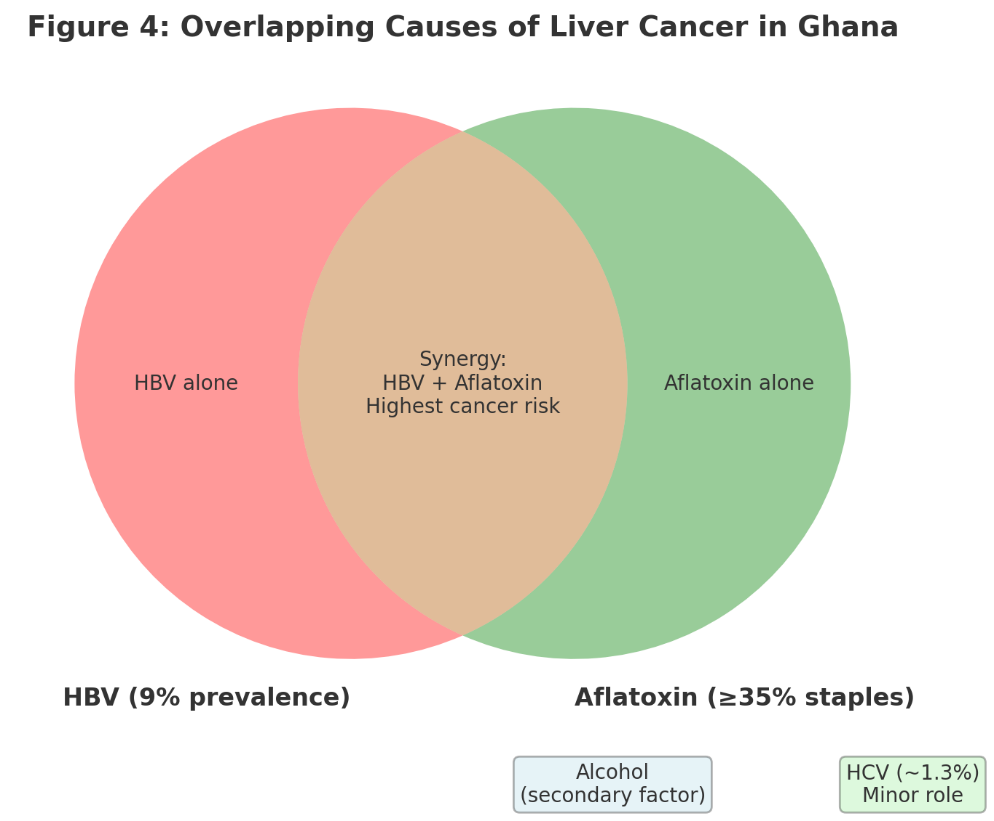
So why is Ghana different? The answer lies in a deadly combination: chronic hepatitis B infection and aflatoxin-contaminated food. About 9% of Ghanaians live with chronic hepatitis B (HBV) one of the highest rates in the world. HBV silently damages the liver for years, often without symptoms, until cancer develops.
But HBV alone does not explain Ghana’s extreme numbers. A second and equally dangerous factor is aflatoxin, a powerful toxin produced by fungi that contaminate food.
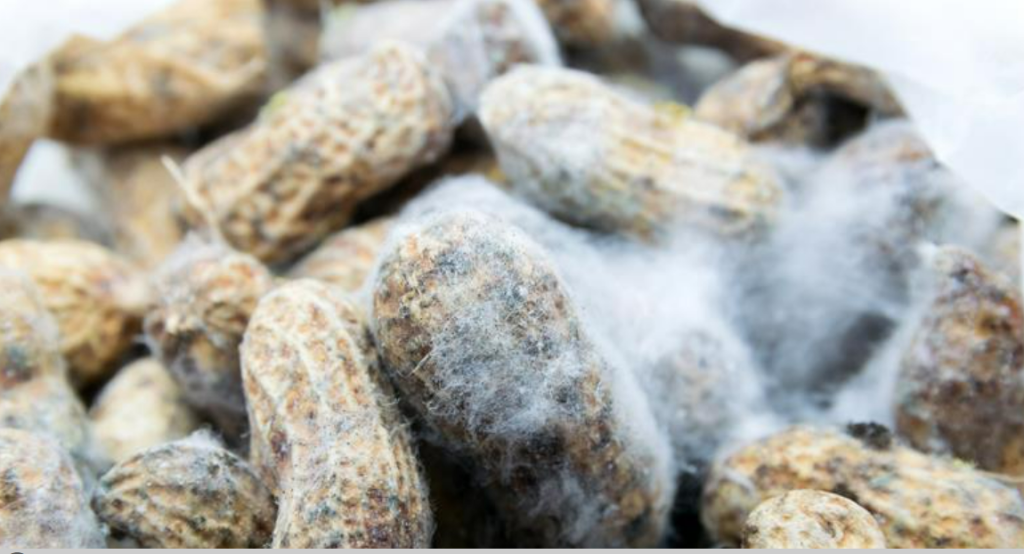
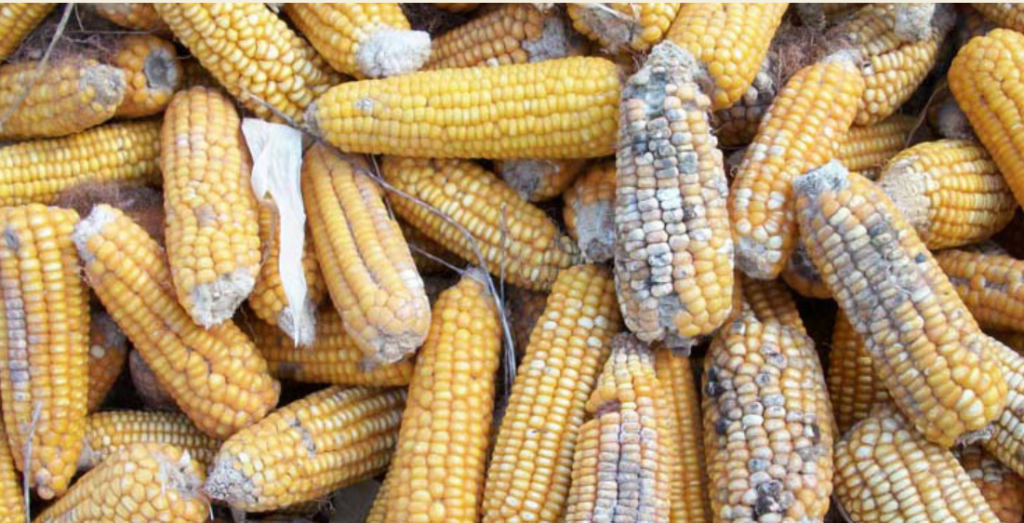
Aflatoxins are commonly found in maize, groundnuts, and other staples widely consumed in Ghana. Studies consistently show that over 35% of maize and groundnuts tested are contaminated, with average levels around 13–14 parts per billion (ppb) far above European safety limits.
The overlap of hepatitis B infection and aflatoxin exposure is not just dangerous it is deadly.
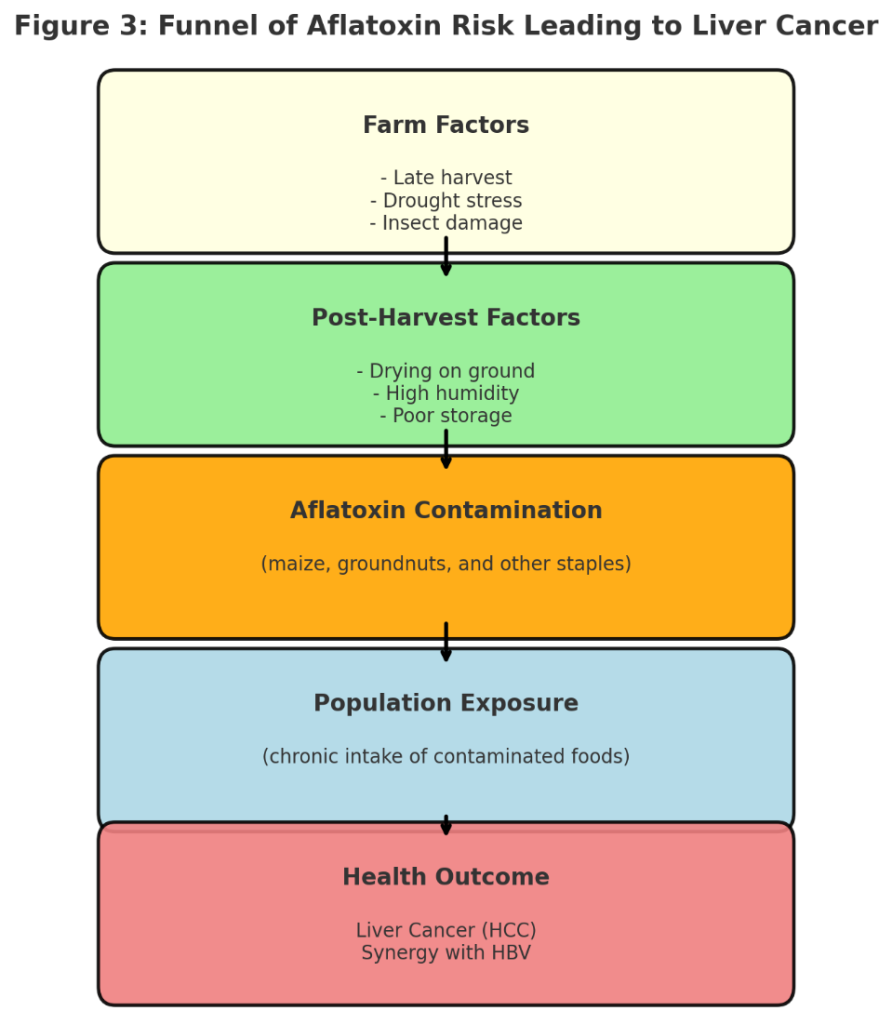
The figure below illustrates how poor harvesting, drying, and storage practices funnel contaminated food directly into Ghanaian households, exposing millions daily.
Alcohol Is Not the Main Culprit
Some may assume alcohol is the reason liver cancer is so common. The data says otherwise. Ghana’s alcohol consumption is 4.4 liters per person per year modest compared to countries like Germany, the UK, and the US, where consumption exceeds 9–11 liters. Yet in those countries, liver cancer remains far down the rankings.
Egypt provides an even clearer warning. Alcohol consumption there is almost zero 0.1 liters per person, yet liver cancer ranks number one.
Alcohol alone does not explain Ghana’s liver cancer crisis. The drivers are viral infection and contaminated food.
The figure below shows this stark contrast clearly.
Aflatoxins Are Invisible and Cooking Does Not Save You
One of the most dangerous aspects of aflatoxin, a major toxic contributor to liver cancer, is that it cannot be seen, smelled, or tasted once it enters food. Unlike spoiled food that looks or smells bad, aflatoxin contaminated food often appears completely normal.
Cooking and heat do not destroy aflatoxins. Once food is contaminated, the toxin remains. This means that eating common staples such as banku, kenkey, or groundnut soup made from contaminated maize or groundnuts can still expose people to aflatoxin.
Late harvesting, drying maize and groundnuts on bare ground, humid conditions, and poor storage allow fungi to thrive. In Ghana, testing is rare, and contaminated food routinely enters markets and homes unchecked.
This means exposure is chronic, widespread, and largely invisible.
Comparative Analysis of Cancer Death Rates in Selected Countries
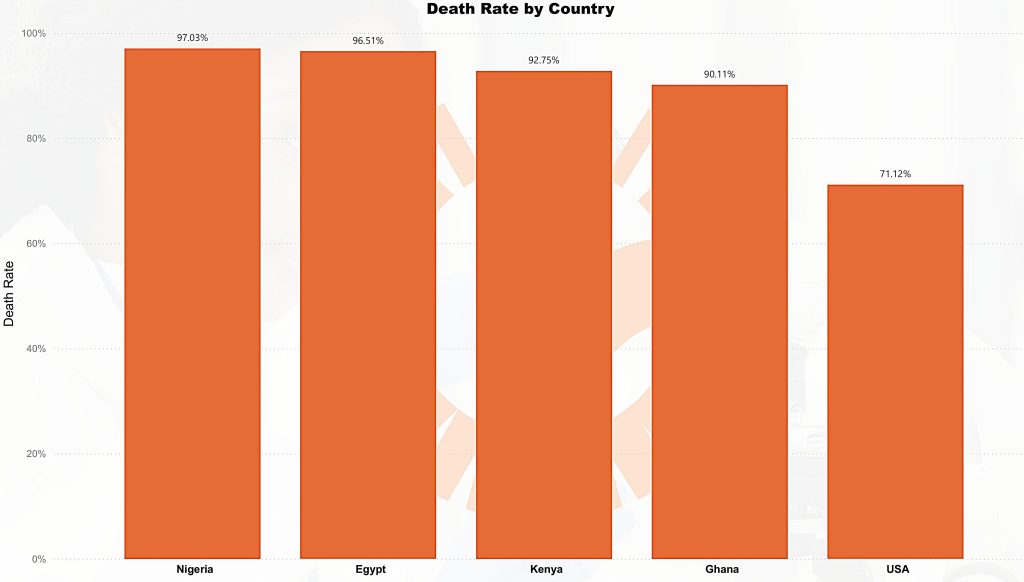
In Ghana, liver cancer has emerged as one of the country’s deadliest health challenges. While breast cancer remains the most diagnosed, liver cancer records nearly as many cases, 3,731 new cases compared to 5,026 for breast cancer yet it claims over 90% of those diagnosed, making it the most fatal major cancer in the country. This trend is not unique to Ghana: Nigeria (97%) and Egypt (96%) show similarly devastating liver cancer death rates, reflecting the disease’s lethality across much of Africa. In contrast, Kenya reports a slightly lower but still alarming rate of 93%, while in the United States, the rate drops to about 71%, largely due to earlier detection, better treatment access, and advanced healthcare systems. The data underscore how liver cancer, though sometimes overshadowed by breast or cervical cancer in public discourse, is a far more silent killer in Ghana and across the region. Its high fatality rates are strongly linked to late diagnosis, widespread hepatitis B infections, and aflatoxin contamination in food, revealing deep systemic and environmental factors that urgently require national attention.
Prevention and Policy Options
The combination of widespread chronic hepatitis B infection and persistent dietary exposure to aflatoxins has created a uniquely dangerous environment for hepatocellular carcinoma. Importantly, practical and proven interventions already exist to address both drivers.
On the agricultural side, biocontrol products that introduce non-toxic fungal strains into fields have been shown to reduce aflatoxin contamination by up to 90 percent. In addition, low-cost post-harvest technologies, including raised drying platforms, tarpaulins, solar dryers, and hermetic storage bags can significantly reduce contamination after harvest.
To ensure lasting impact, government must adopt a strict post-harvest food safety policy that enforces proper drying of staples, conducts random aflatoxin testing of farmers’ produce, and combines incentives for compliance with penalties for non-adherence. Such a system would protect consumers, improve food quality, and substantially reduce Ghana’s liver cancer burden.
On the health side, HBV vaccination remains the single most effective preventive measure against liver cancer in Ghana. Implementing universal hepatitis B birth-dose vaccination, alongside expanded HBV screening and treatment, would sharply reduce future liver cancer cases. Ghana’s National Aflatoxin Control Policy, launched in 2018, already provides a clear roadmap, but its success now depends on stronger political commitment, sustained financing, and effective enforcement.